Museu d’Història de Barcelona
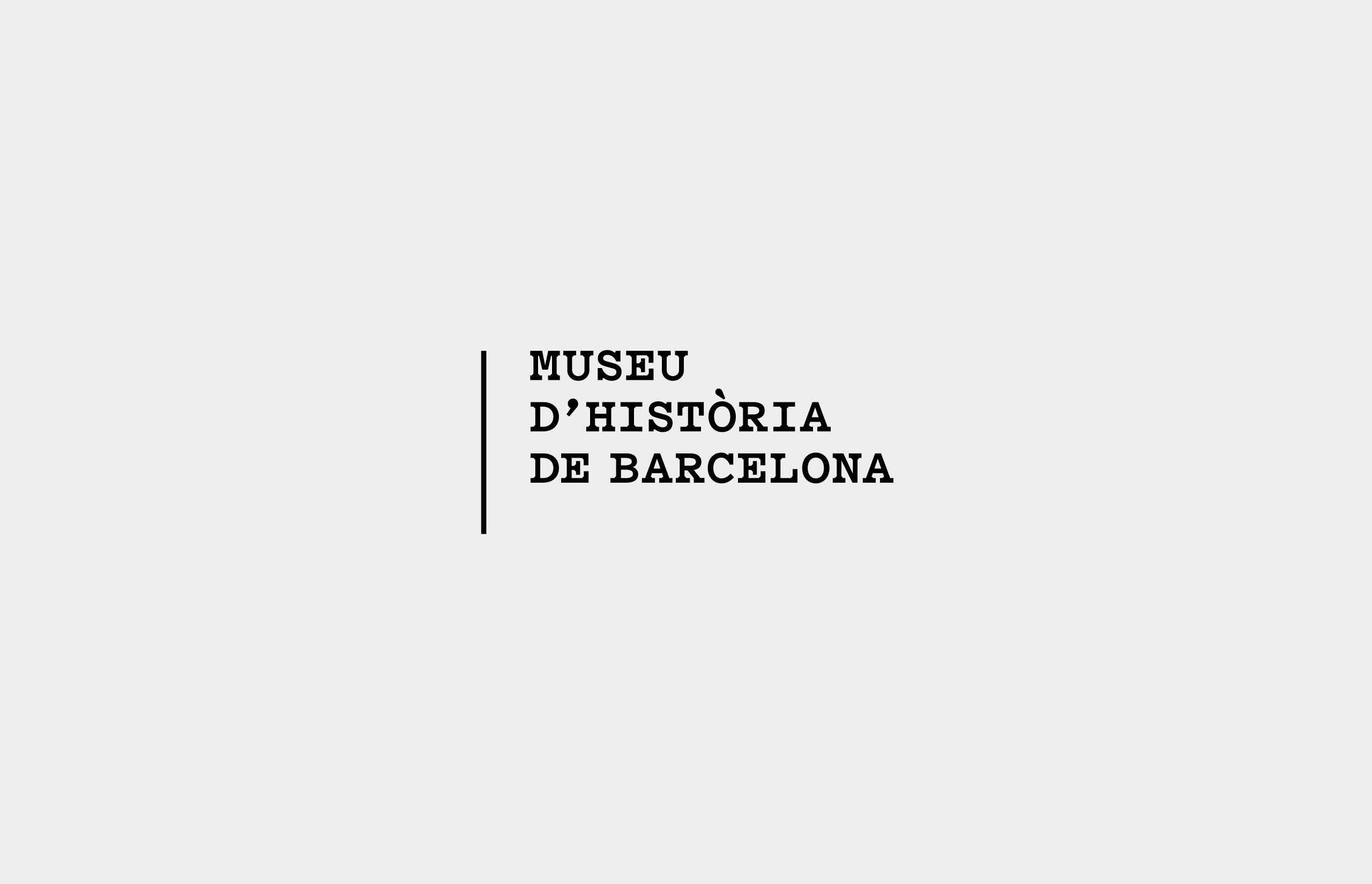
The Museu d’Història de Barcelona has introduced its new visual identity, developed in collaboration with Familia. The redesign restores the institution’s original name and establishes the structure from which the eighteen current sub-brands in its ecosystem are defined.
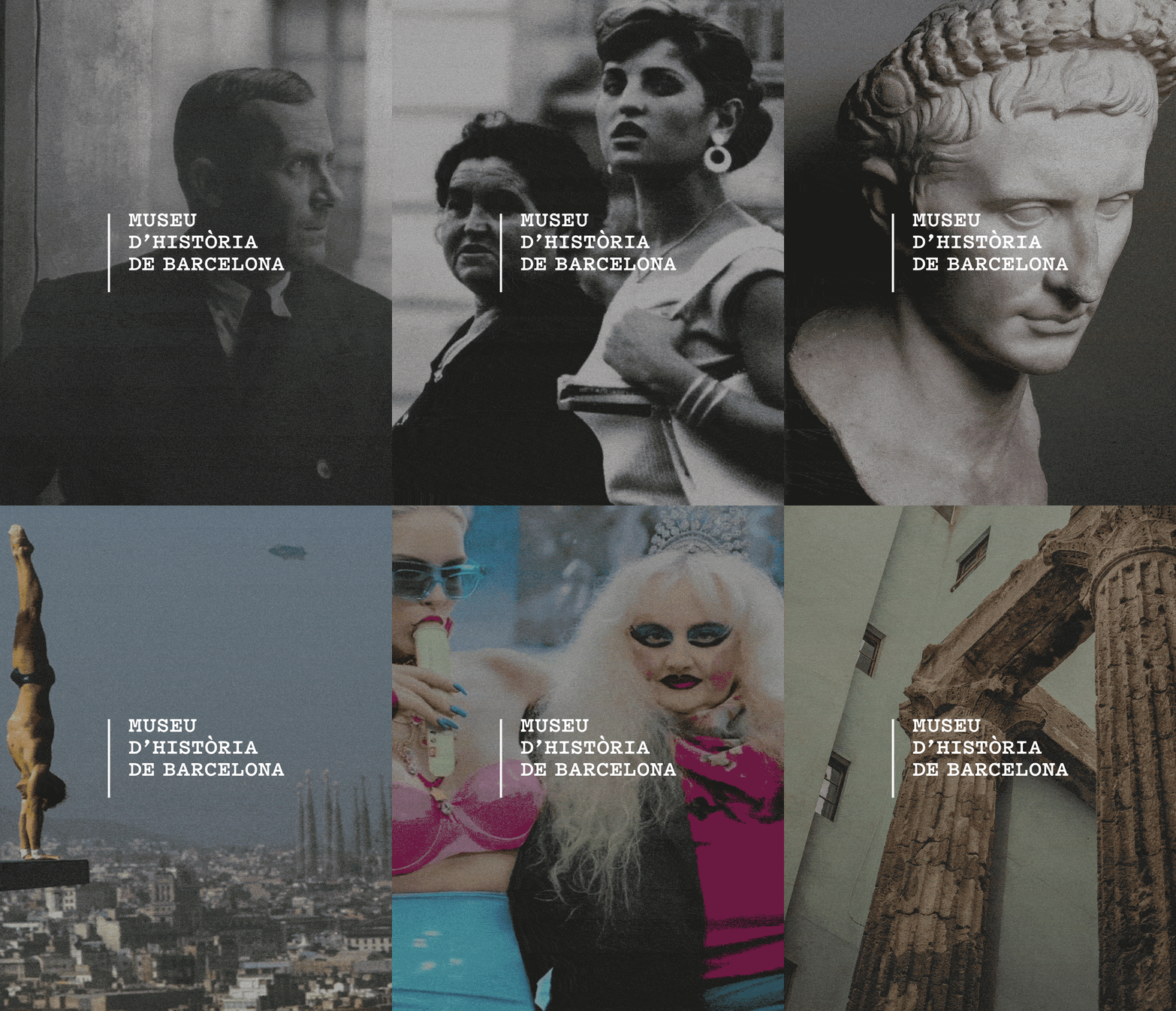
The project sets out a coherent and distinctive visual system, creating a clear relationship between the main brand and each sub-brand.
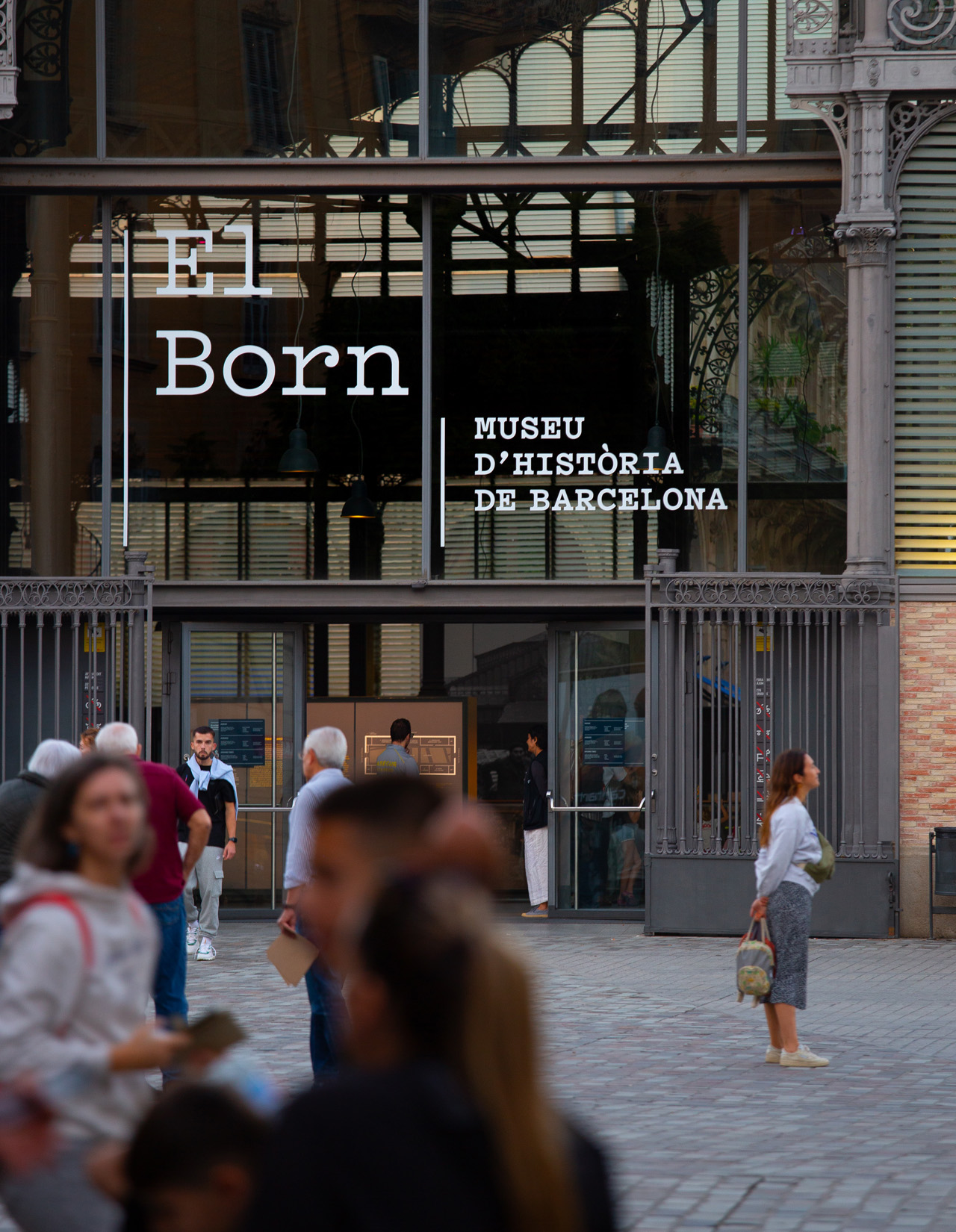
The museum, formerly known as MUHBA, enters a new stage aimed at communicating with greater clarity and proximity. It recovers its full name, removes the former acronym, and avoids superfluous elements. The new identity reflects this commitment to being more accessible, direct, and closer to the public.

THE BRAND CONCEPT: The Timeline That Connects It All
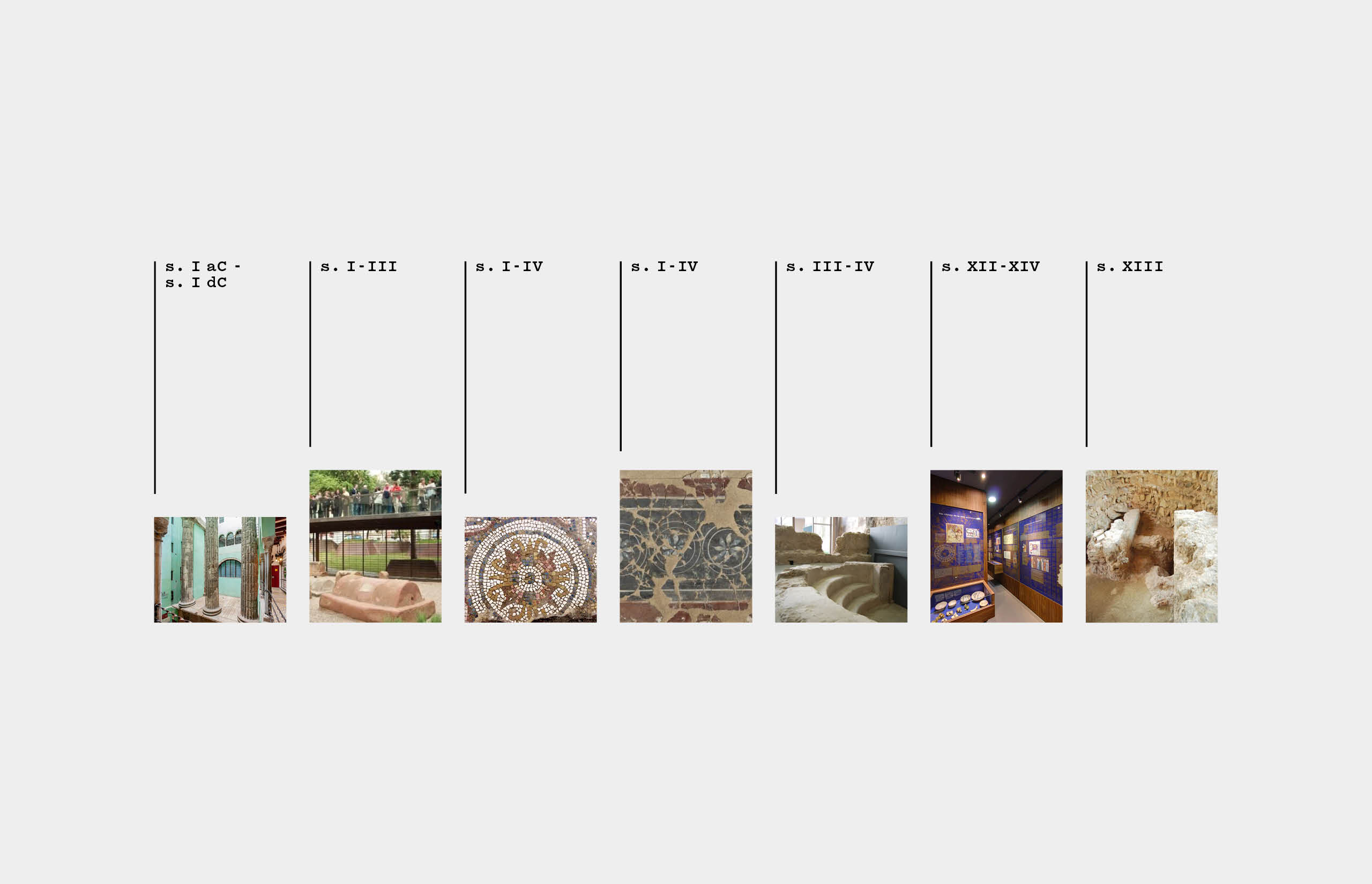
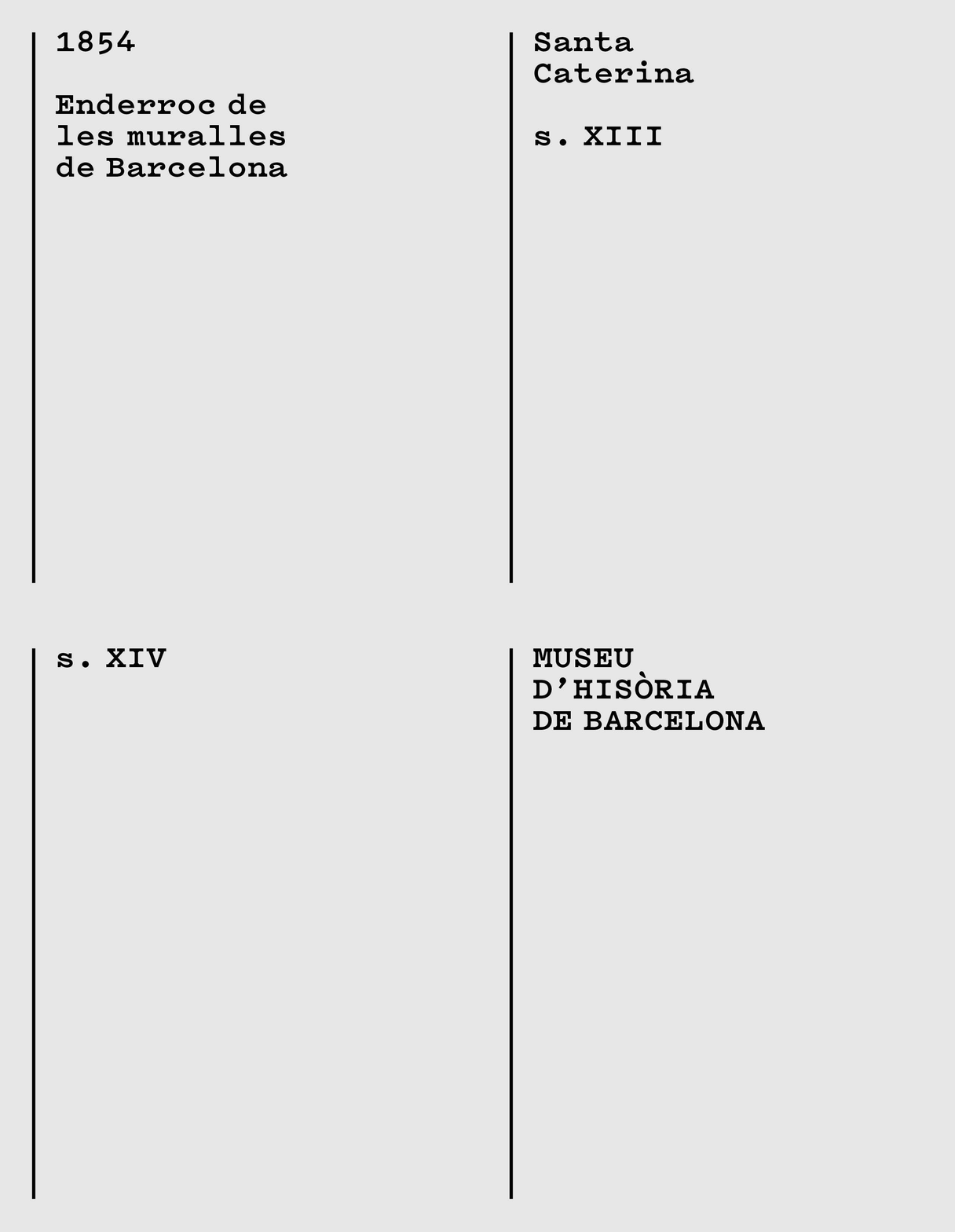
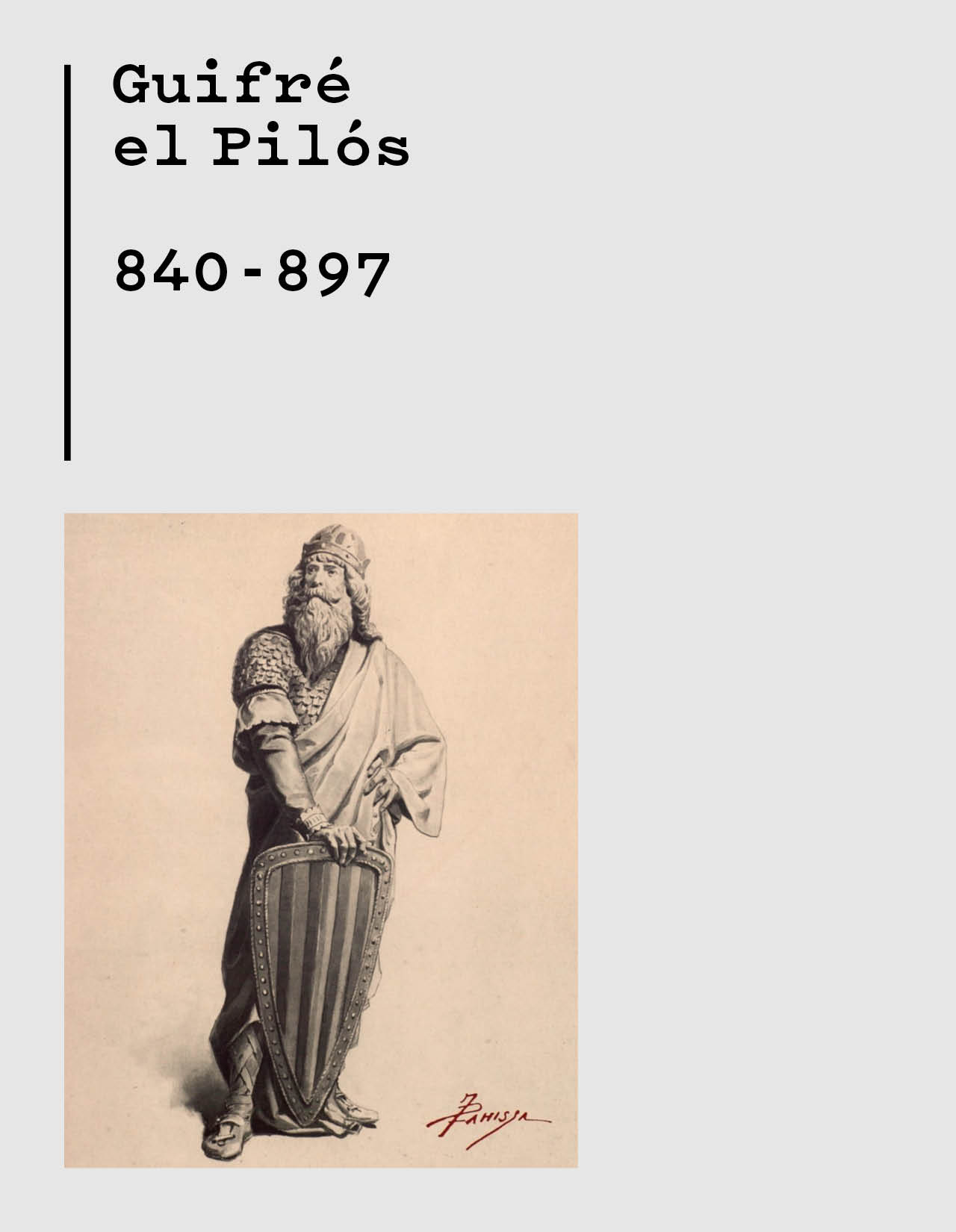
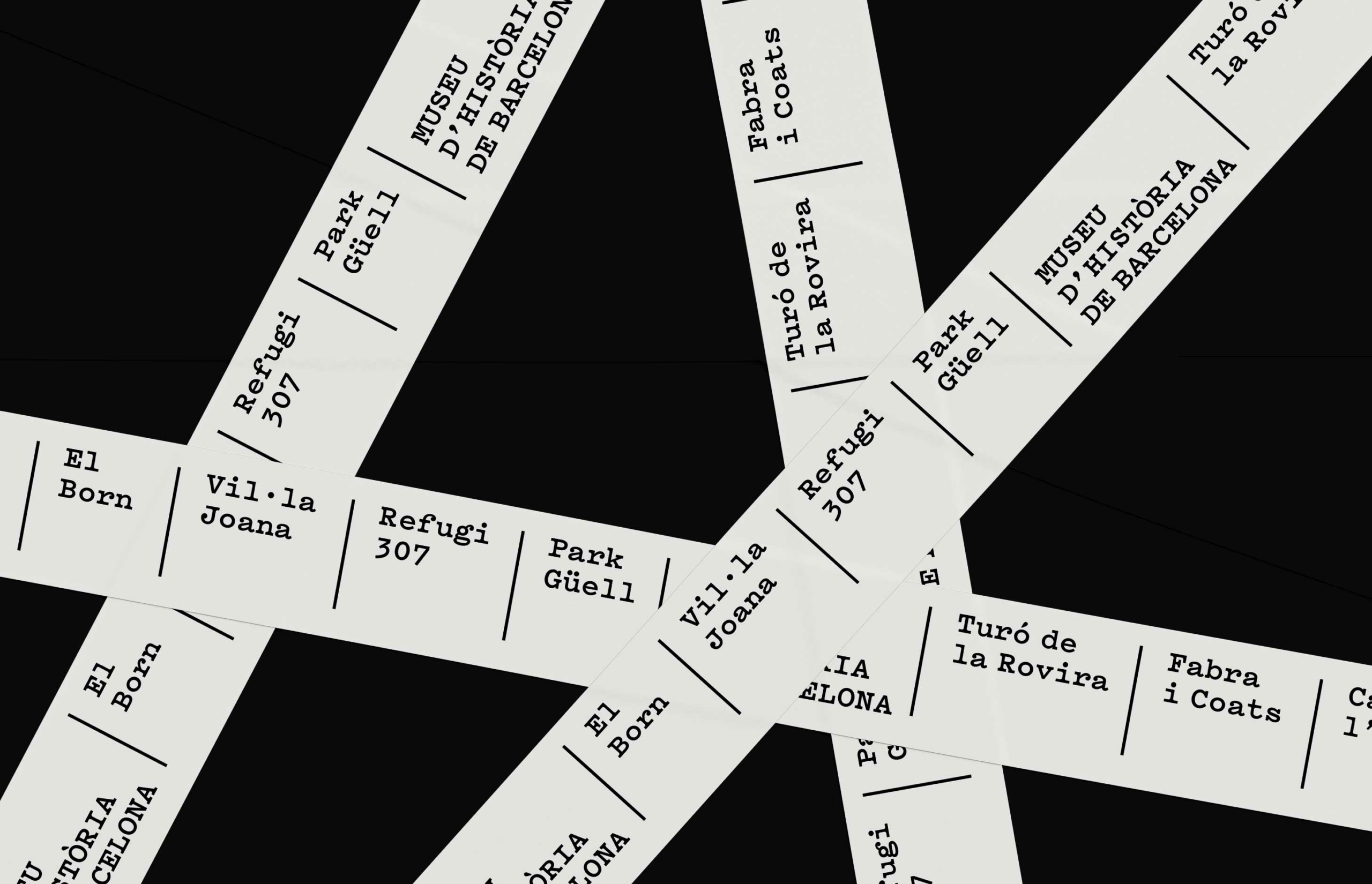
To define the brand concept for the Museu d’Història de Barcelona, we focused on the idea of the timeline, a universal resource for explaining history and understanding it as the narrative of human evolution. A timeline organises events in a clear and ordered way, showing when they occurred and how they relate to one another. This organising principle inspires the brand’s visual system, which is built on this sequential logic and establishes a clear and cohesive identity across the entire project.
THE BRAND SYSTEM: Eighteen Spaces, One Museum
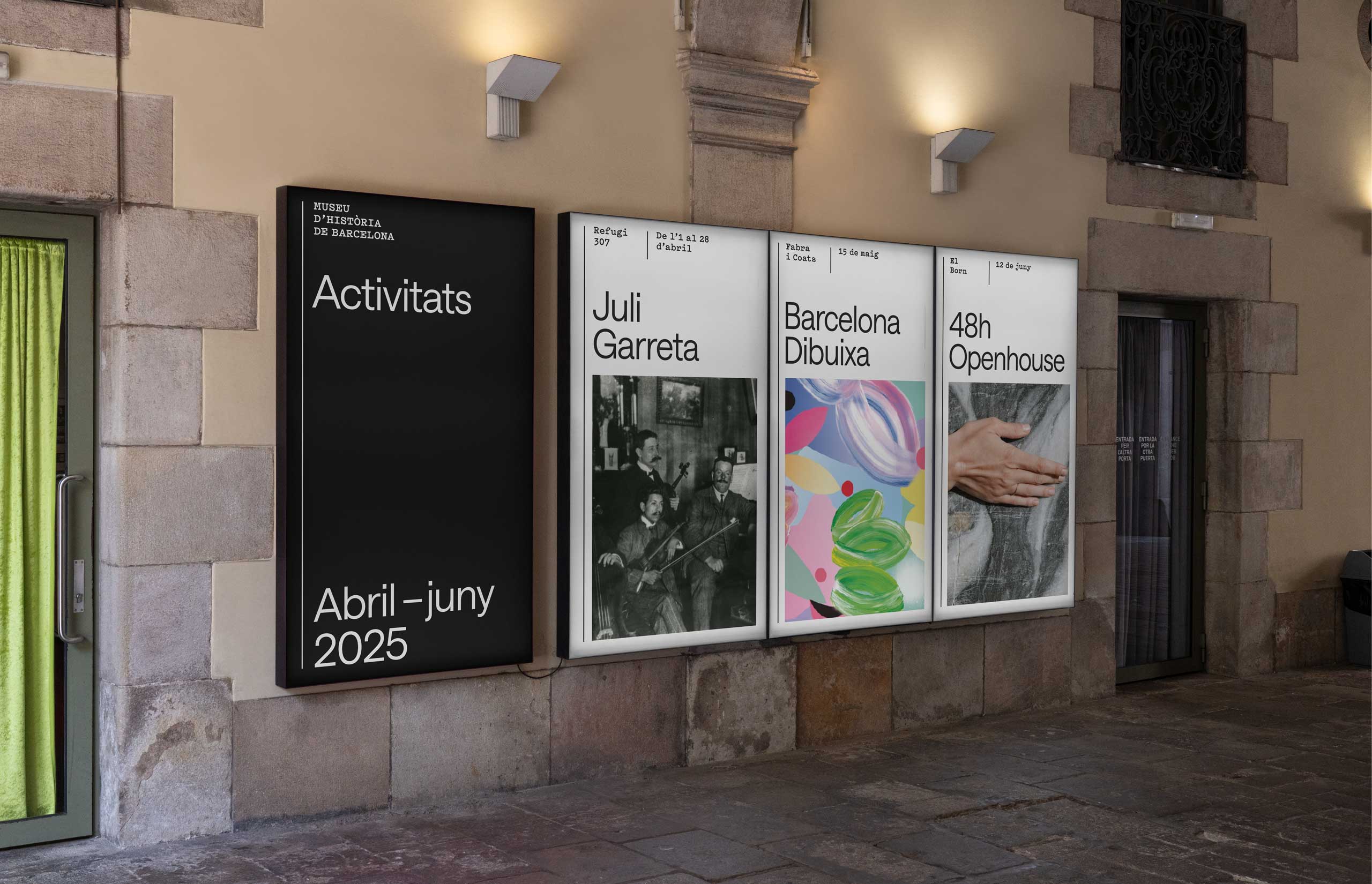
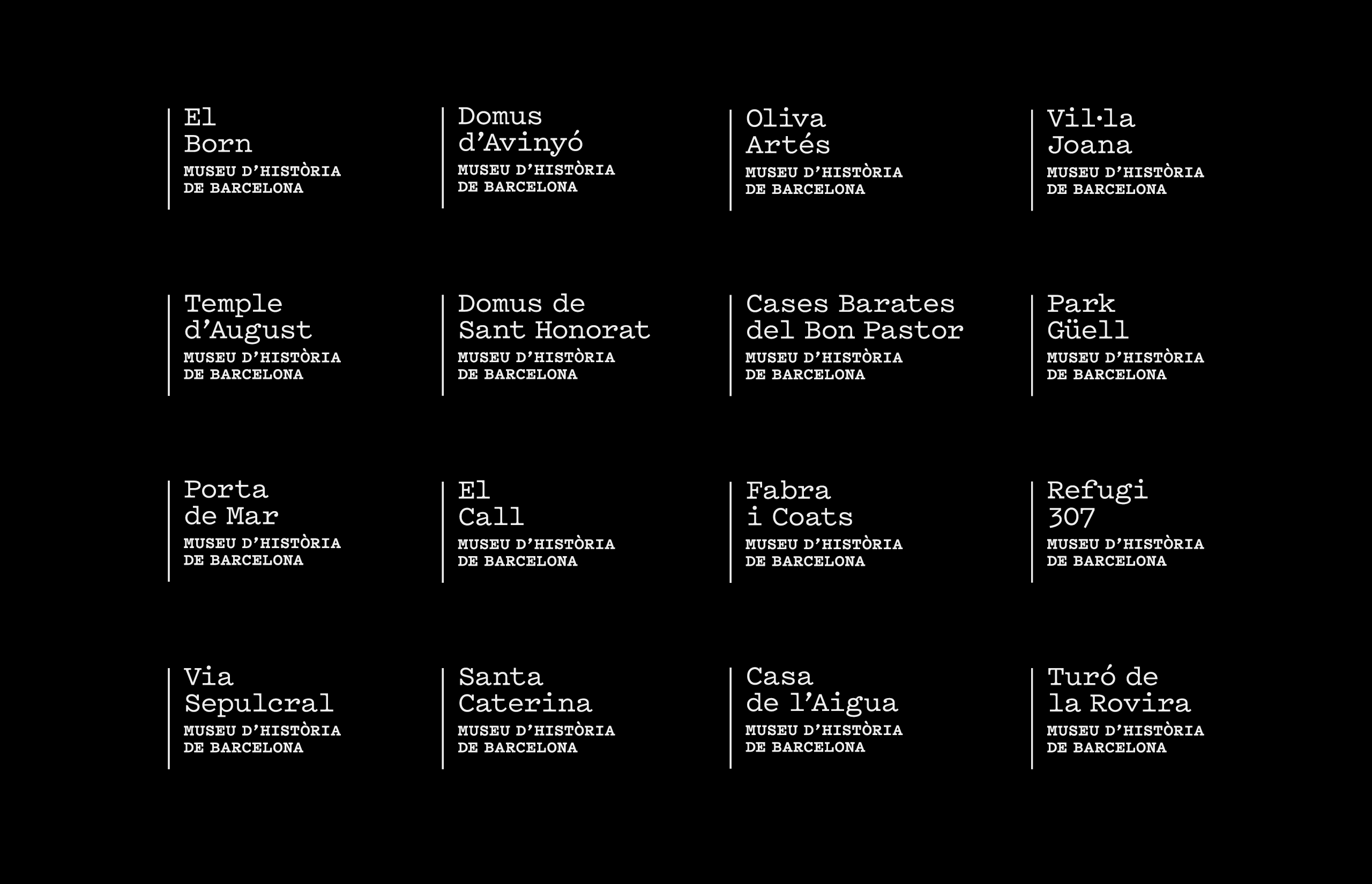
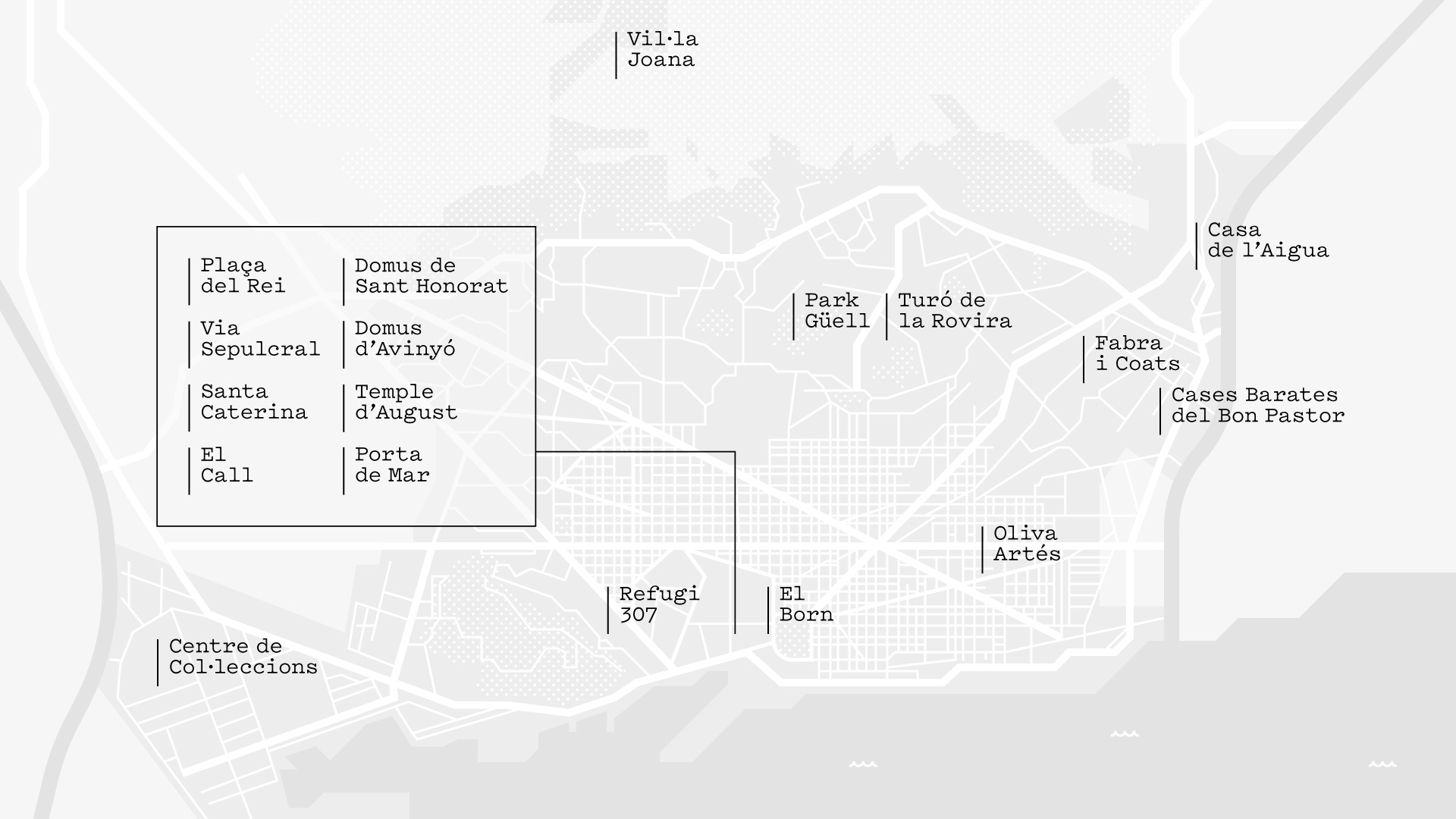
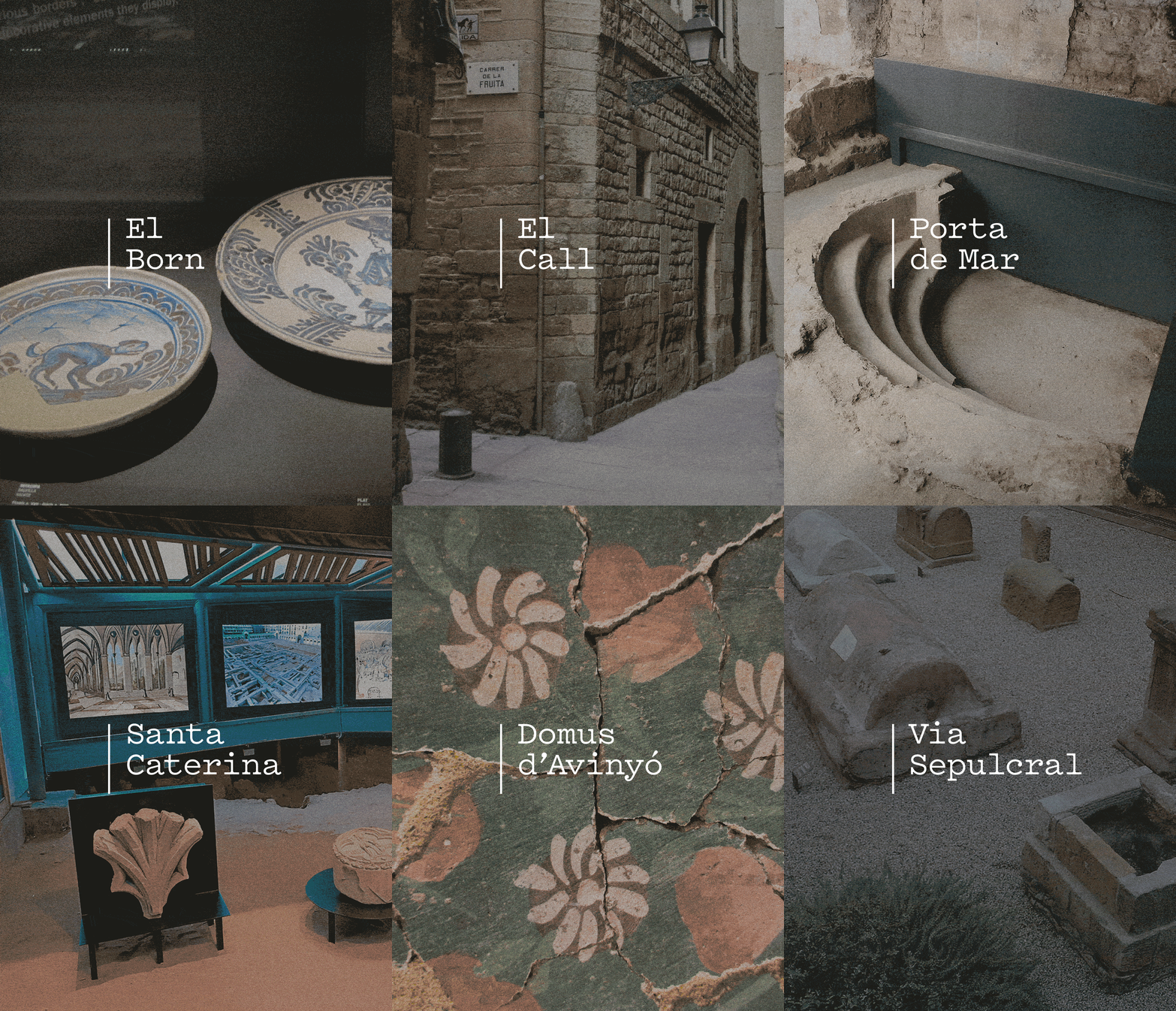
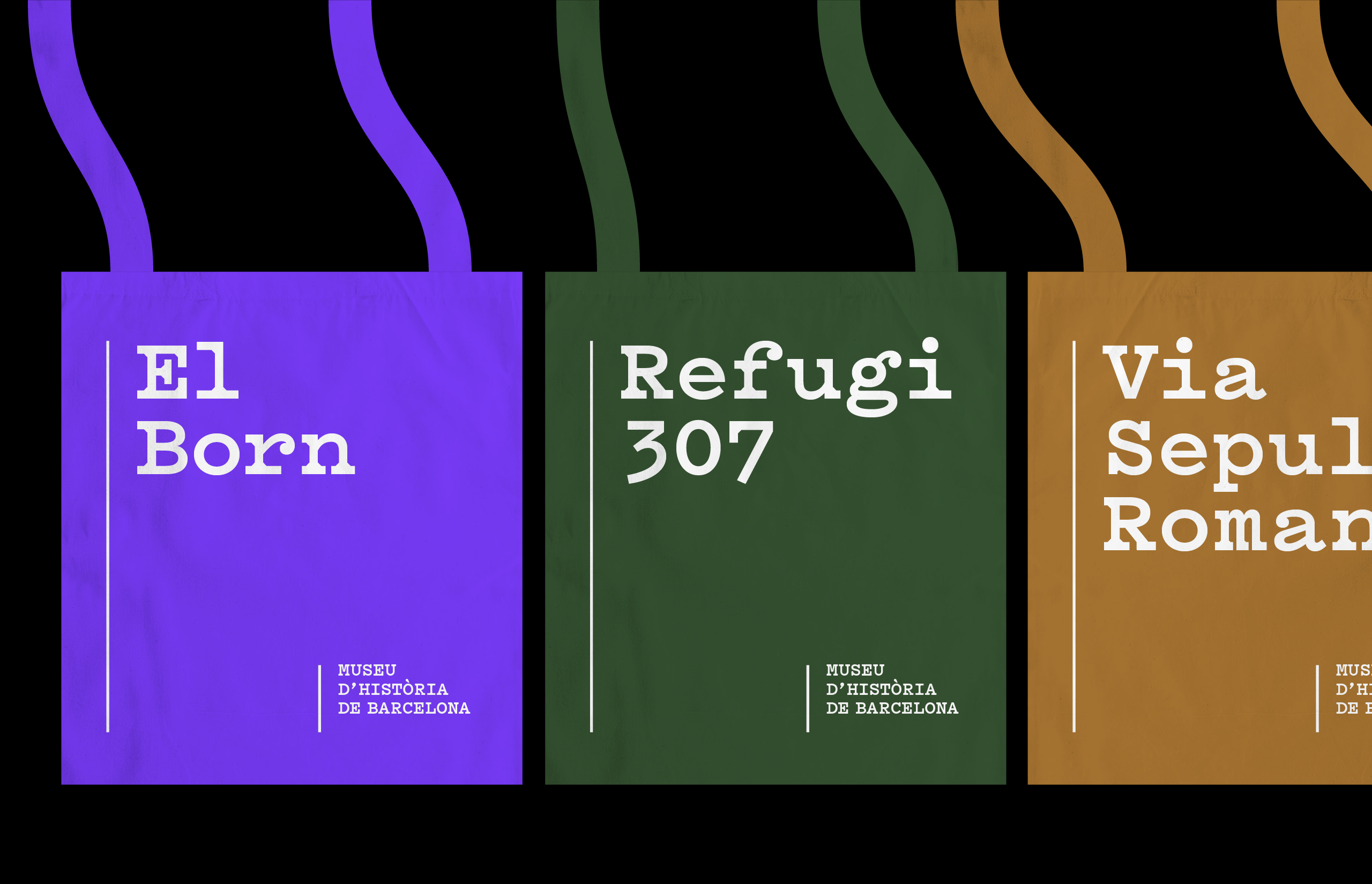
The project stems from the need for the Museu d’Història de Barcelona’s brand to operate effectively both on its own and across all its extensions. A visual system has been defined to organise and structure the museum’s current ecosystem of eighteen spaces, ensuring a clear and workable brand architecture. The system is open and scalable, designed to accommodate future sub-brands without compromising consistency or readability across the whole.
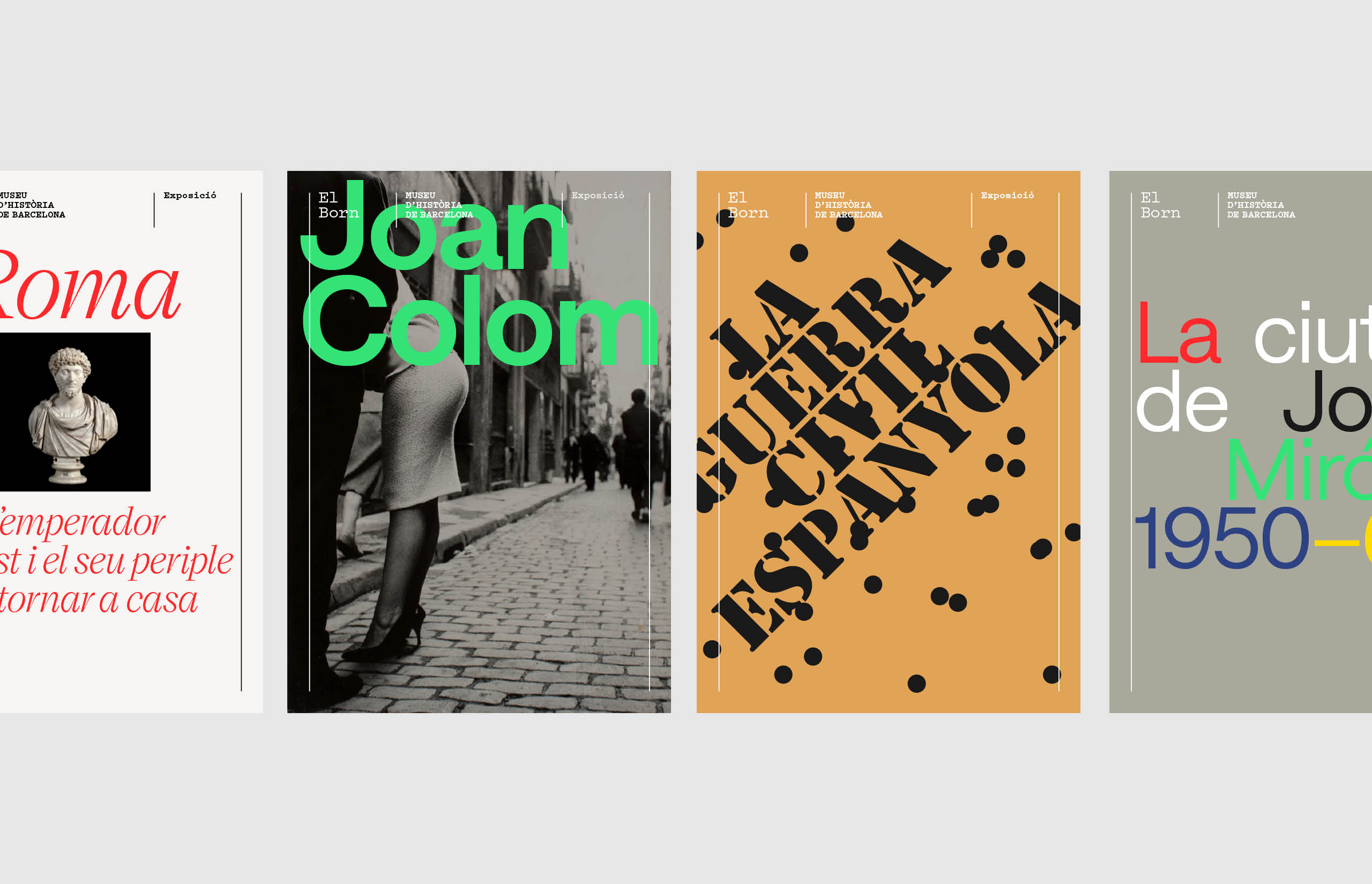
THE COMMUNICATION SYSTEM: Integrating All Exhibitions
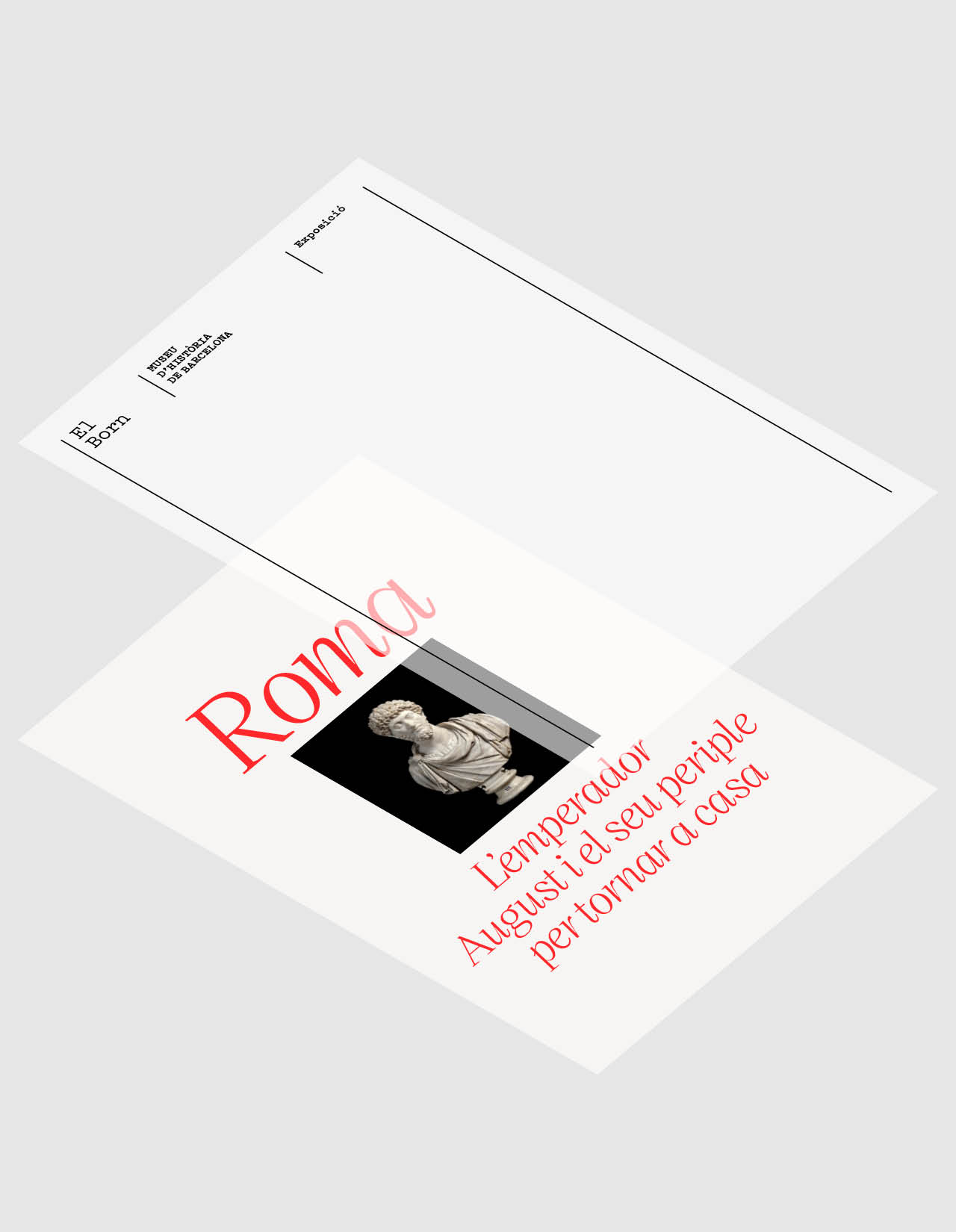
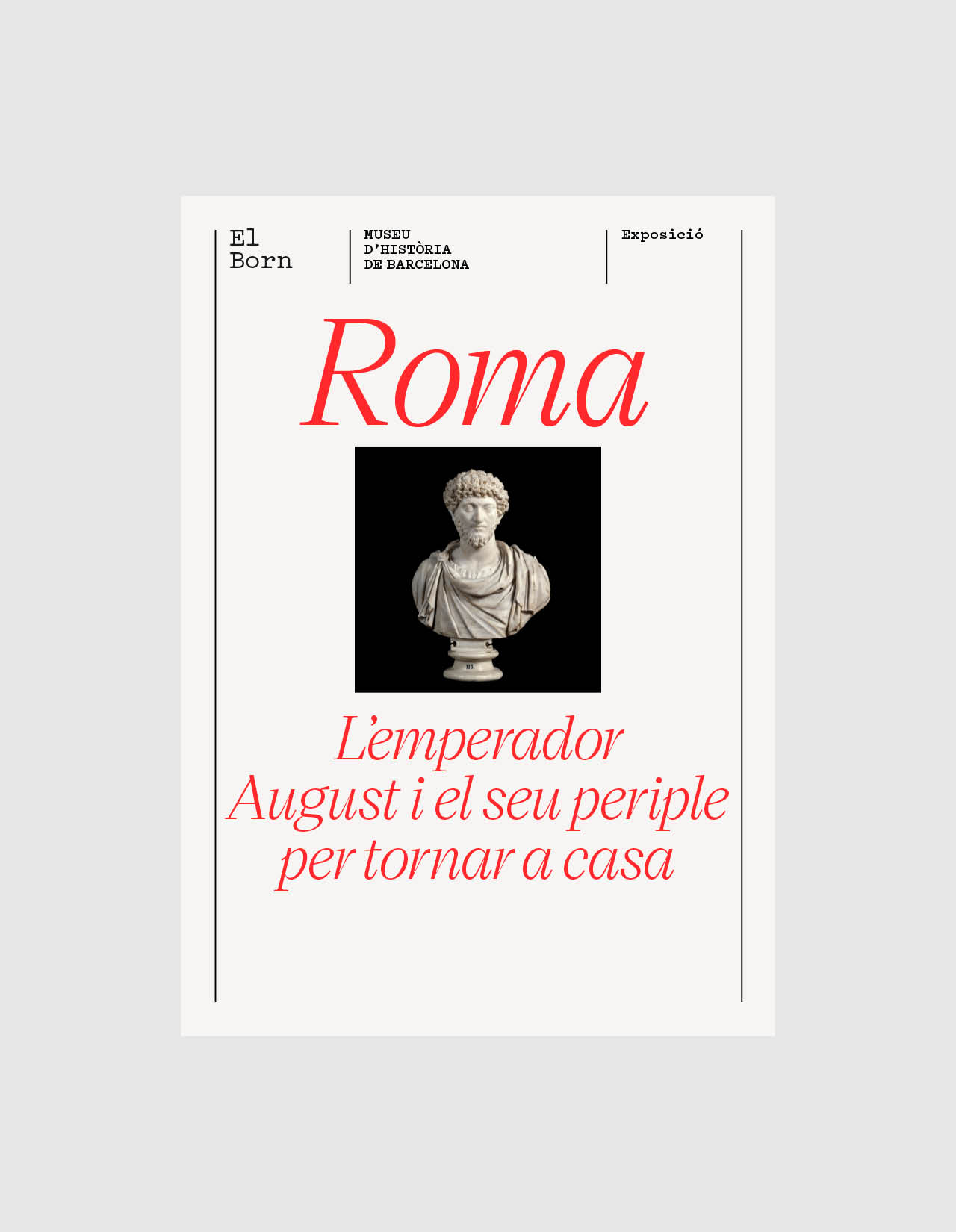
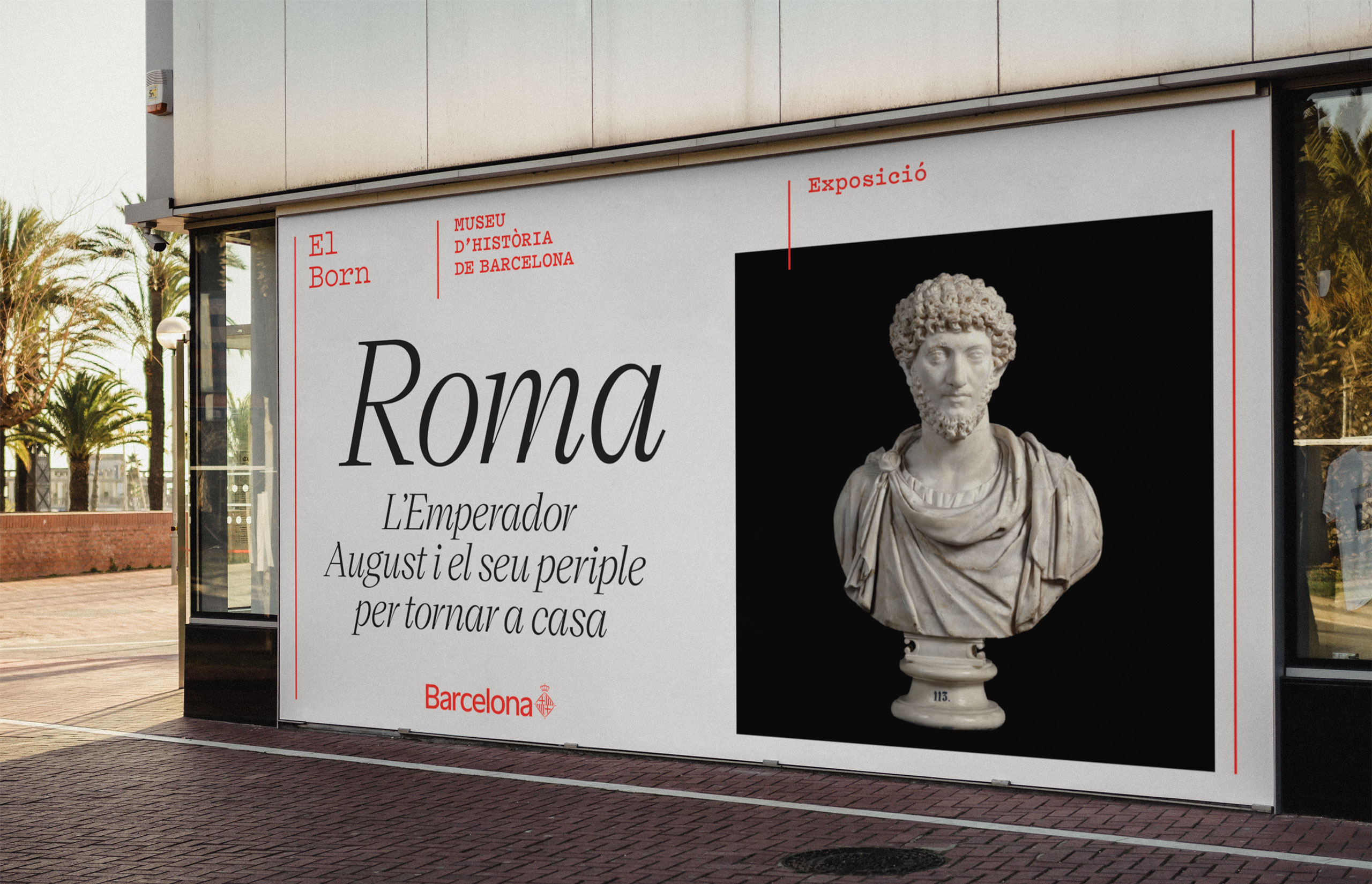
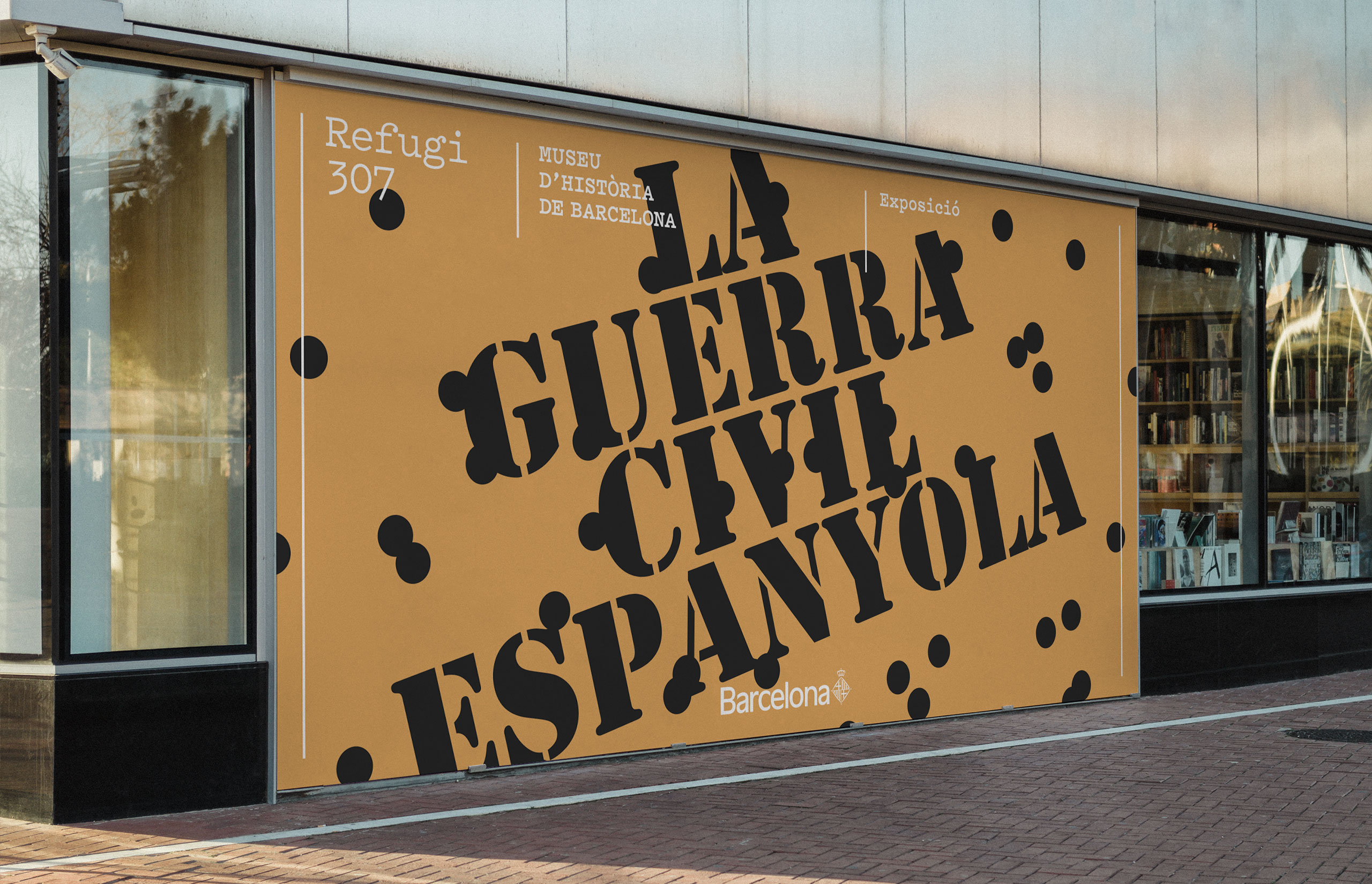
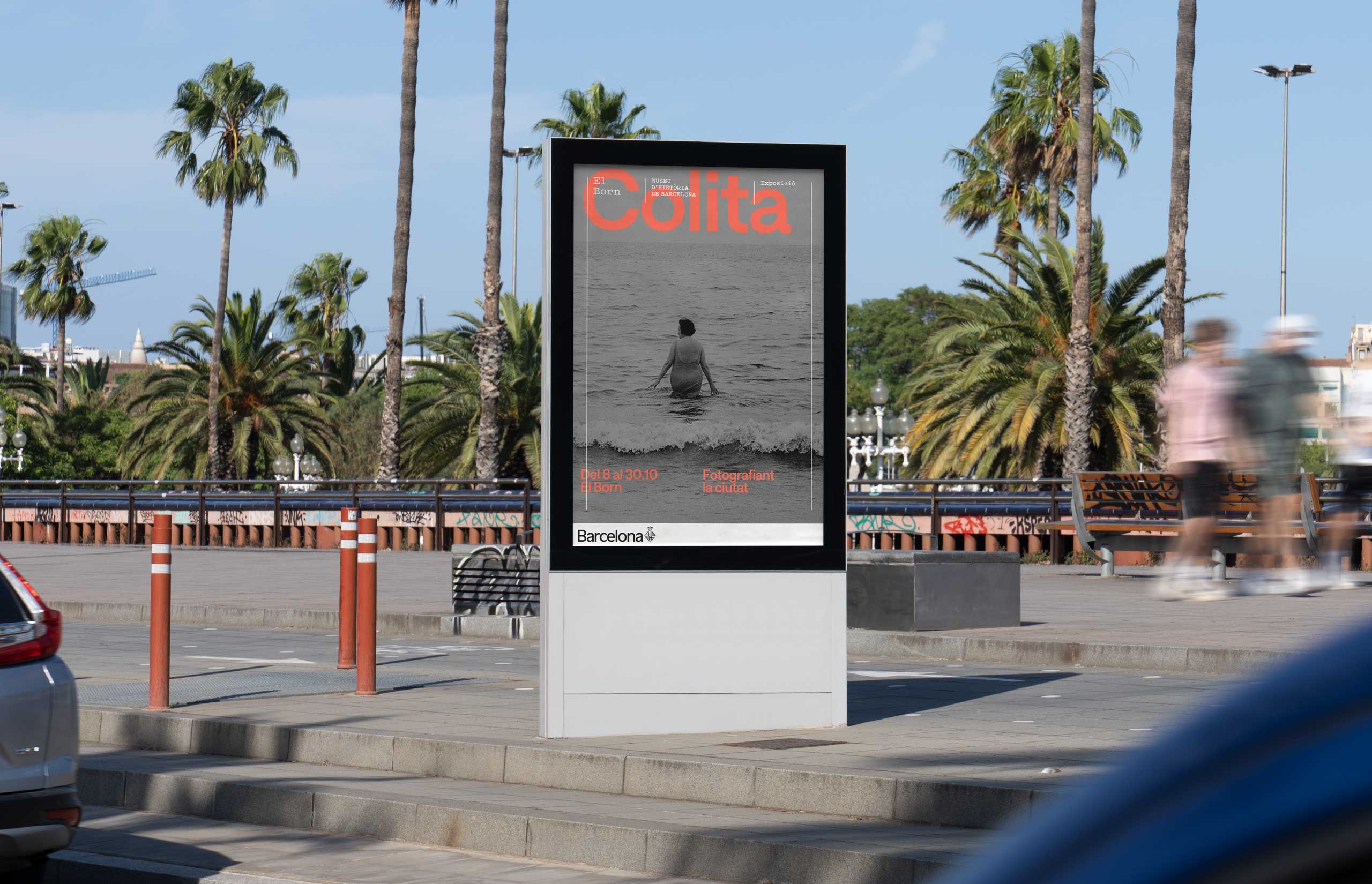
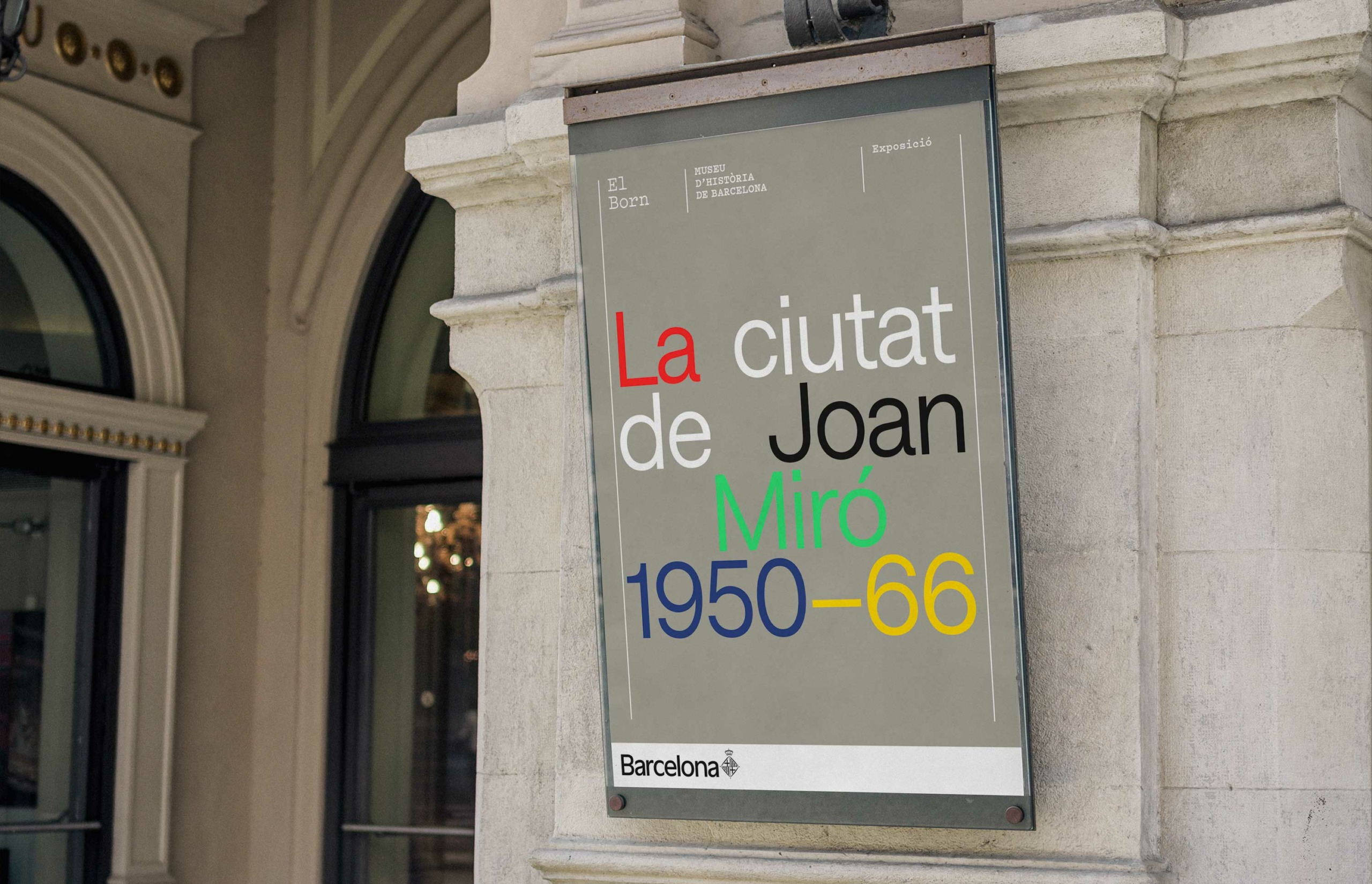
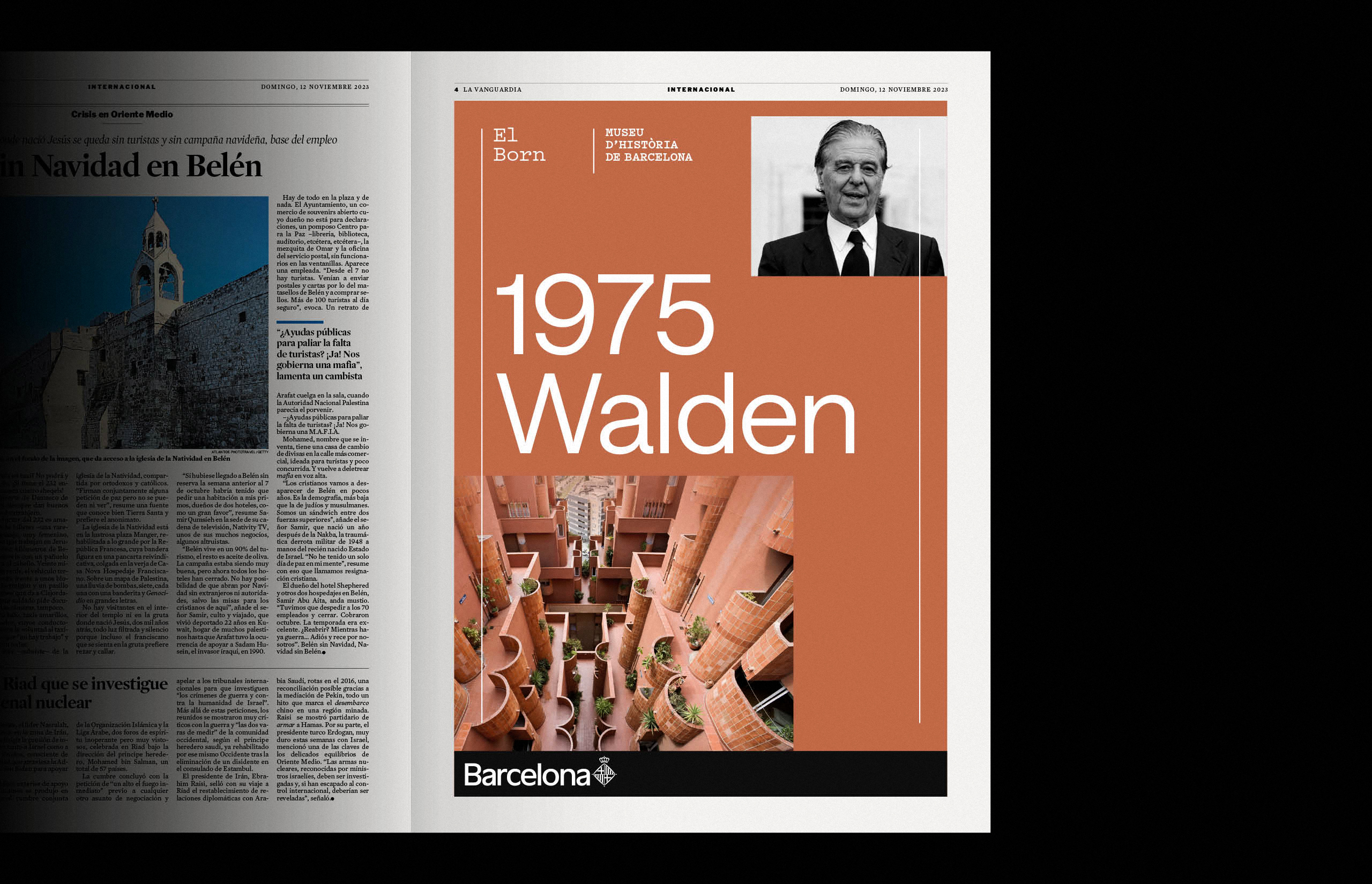
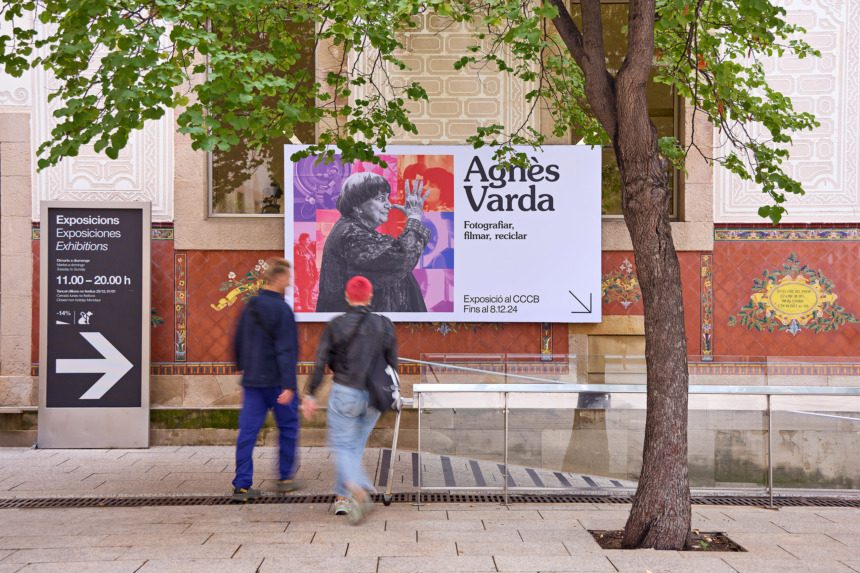
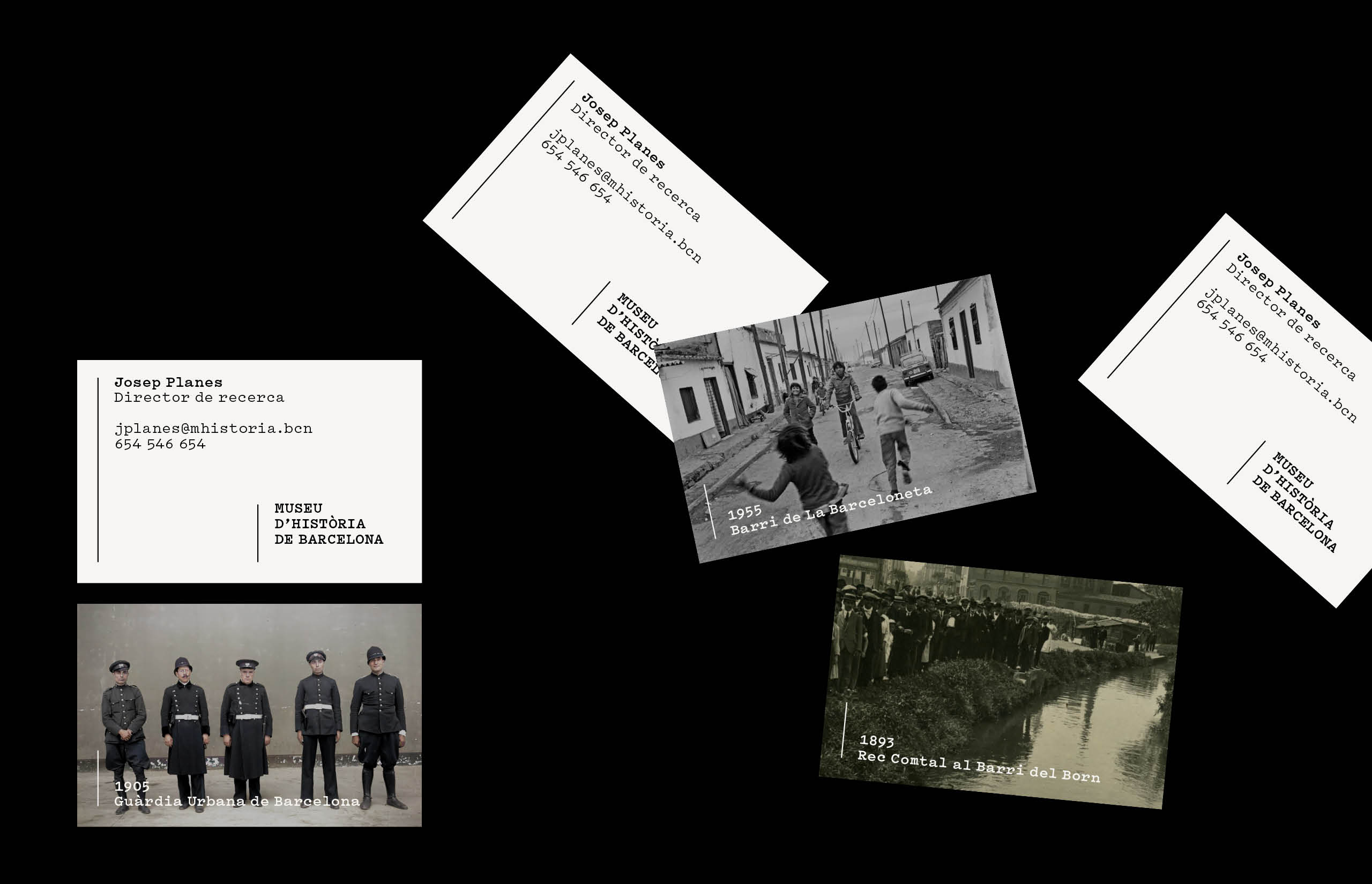
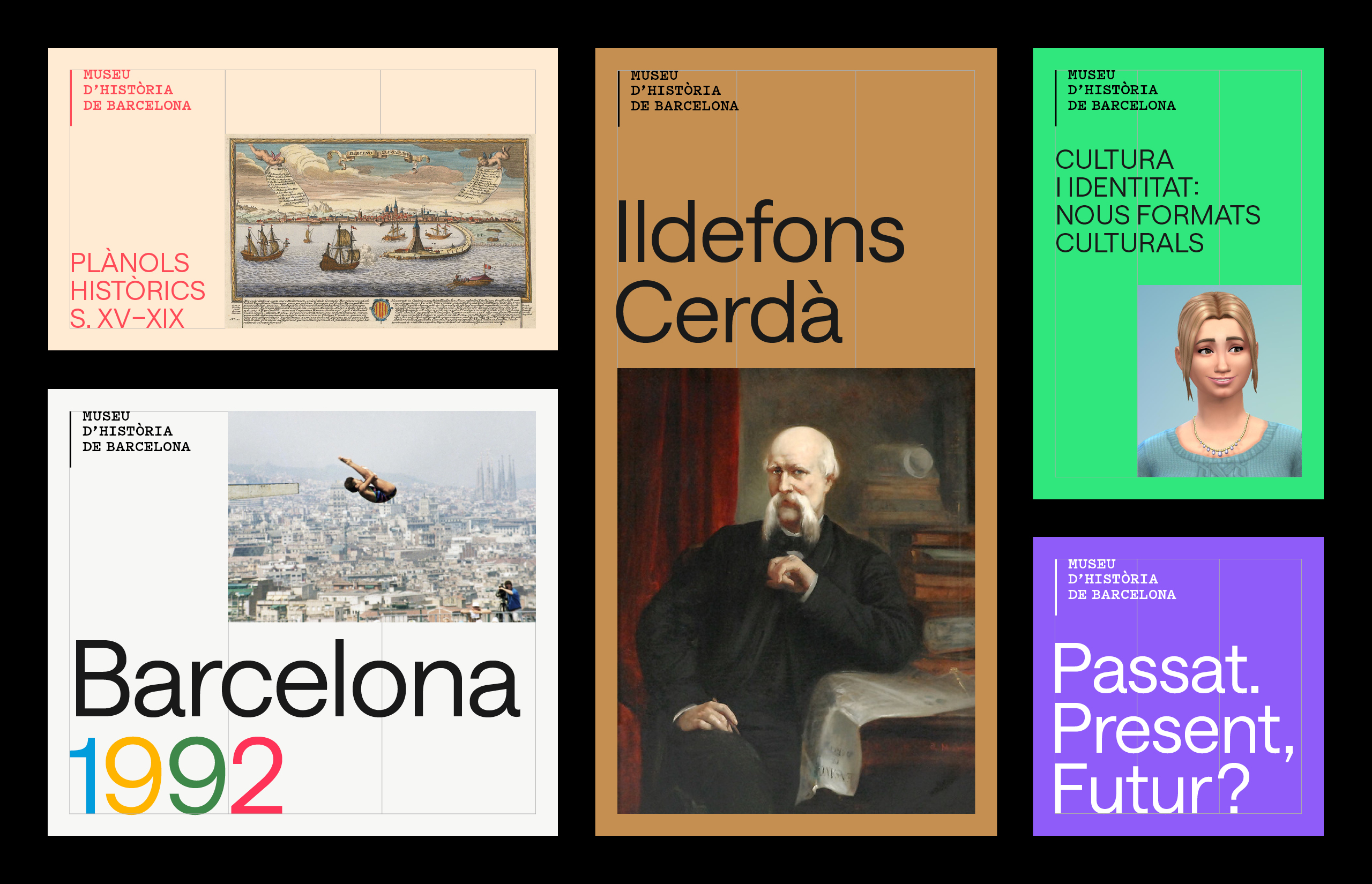
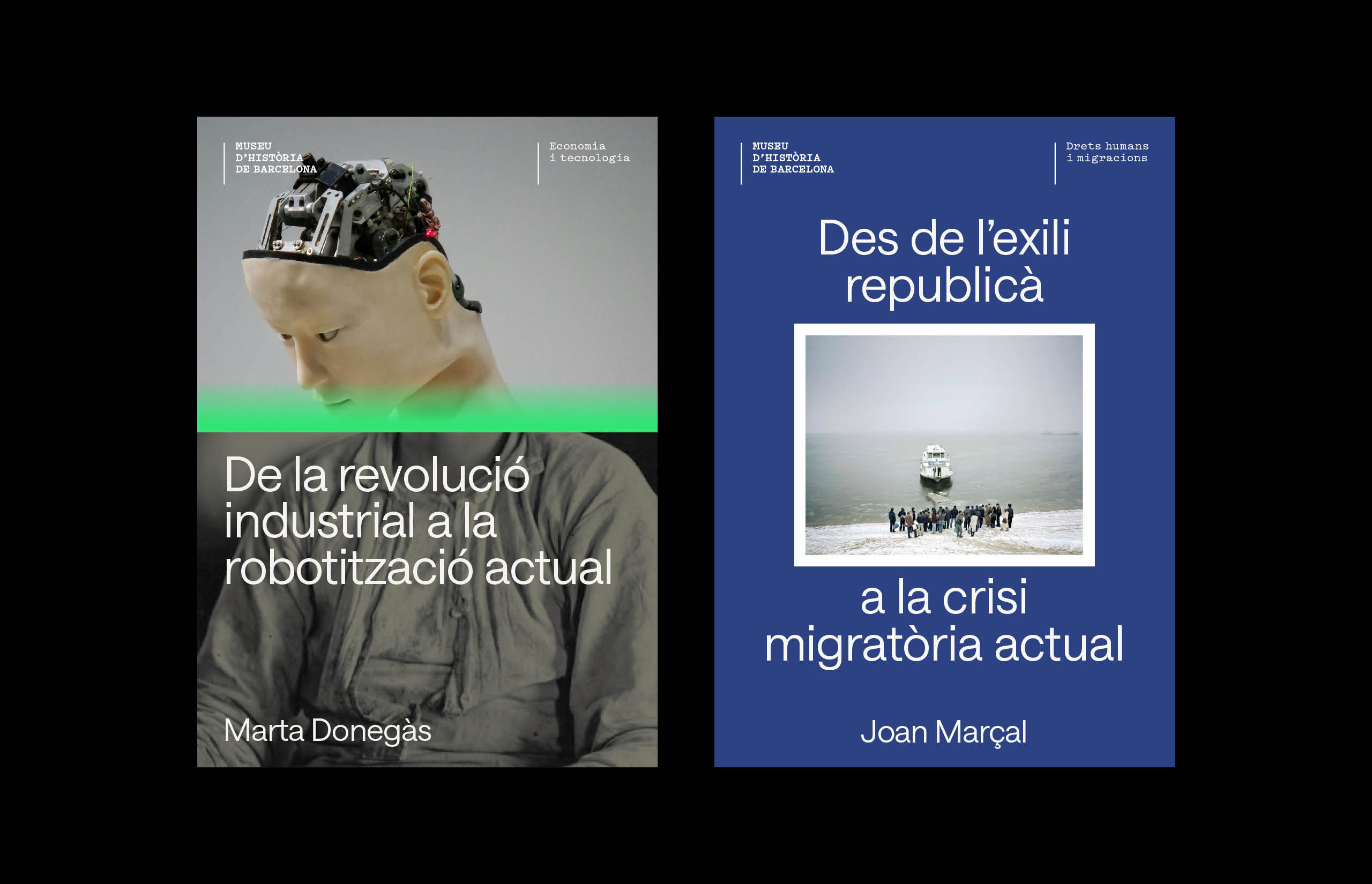
The visual communication system is built on the interaction of two content layers. The first is the corporate layer, which identifies the sender and provides stability to the whole. The second is the message layer, flexible and adaptable to each exhibition or communication piece. The relationship between these two levels allows all museum communications to be integrated within a single visual framework, maintaining a clear and recognisable identity.